
According to the sources above, what does slow healing most likely indicate?
Select one answer.
When the prayer is old and the answer is quiet
You have prayed for the anxiety to lift, the grief to loosen, the body to mend, or the relationship to be restored. You have journaled, fasted, worshiped through tears, and shown up to counseling. And the ache is still there. That gap between your faithfulness and your timeline is where discouragement grows.
Scripture does not pretend that gap is small. It also does not treat slow healing as evidence that God has walked away. The work of holding hope is not passive waiting; it is a set of practices you can return to on the days when nothing feels different.
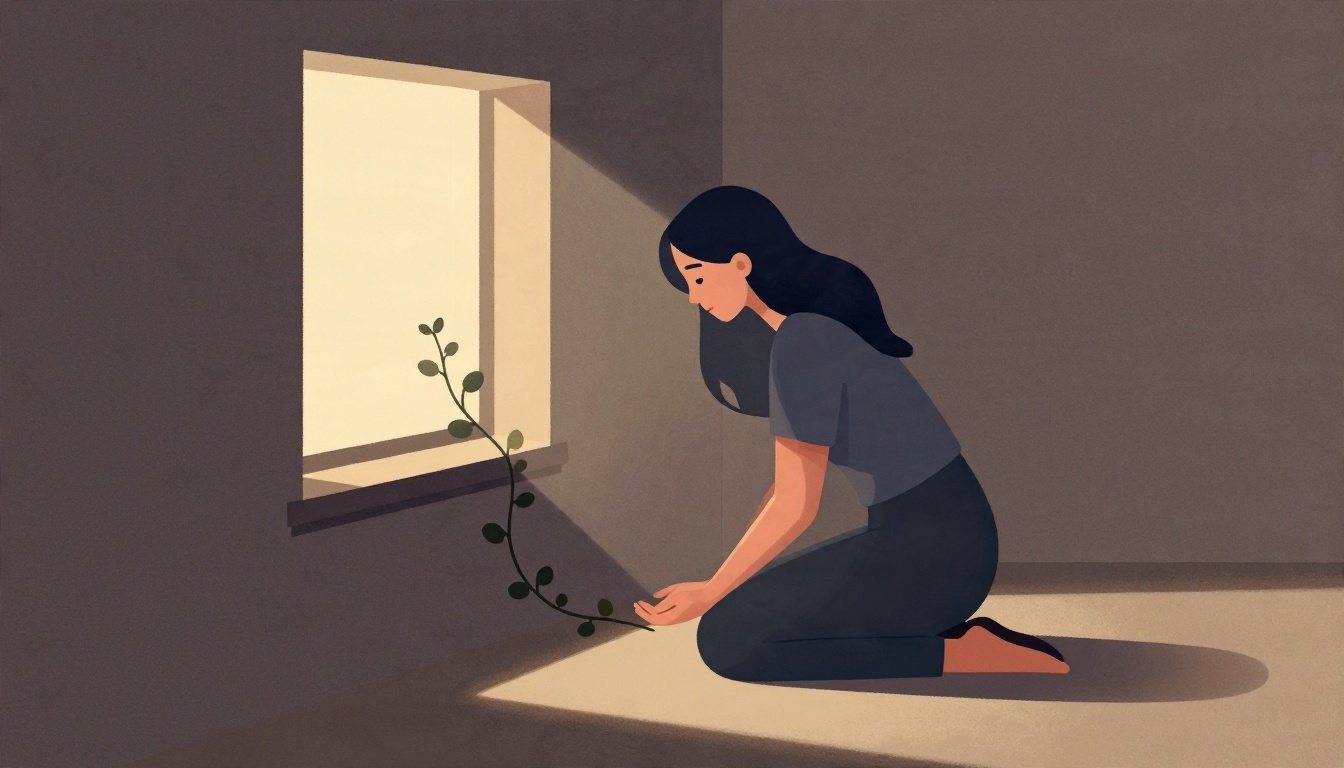
Slow healing is not the same as no healing
One helpful reframe: just because healing feels slow does not mean God is saying no. It may mean He is working deeper than you can see. The American Association of Christian Counselors puts it plainly: healing takes time, and God is never in a hurry — He is working beneath the surface in ways you may not see yet (AACC).
Scripture anchors hope in God's character rather than in your circumstances. Psalm 147:3 says He heals the brokenhearted and binds up their wounds, and Exodus 15:26 names Him "the Lord, who heals you" (Knowing Jesus). Those names are true on the days your symptoms say otherwise.
Lament is a form of faith, not a failure of it
Many women worry that admitting disappointment to God is a lack of faith. The Psalms disagree. David asks, "How long, Lord? Will you forget me forever?" (Psalm 13:1) — persistent, unpolished faith rather than a polished one (Embracing the Unexpected).
Lamentations models the turn: the writer says his hope has perished, then a few verses later calls to mind that God's mercies are new every morning and says, "therefore I will hope in him" (Woodside Bible Church). Honest grief and real hope can sit in the same prayer.
What to do while you wait
Waiting is not a passive activity in Scripture. It is a place where God cultivates patience, perseverance, and endurance, and draws you closer to Him (Open the Bible). Try this practical checklist:
- Keep praying for healing — and pray for strength too. Crossway's counsel is to keep asking for healing while also asking for God's strength to be perfected in your weakness for as long as He withholds health (Crossway).
- Pray for perseverance, not just relief. A prayer for a long season can include: "Lord, I come to you tired and weary; grant me rest. May your grace be sufficient. Help me remain steadfast under trial and constant in prayer" (MaryBeth Eiler).
- Remember God's past faithfulness. When you are tired, take time to recall how much God loves you and the ways He has been faithful before (World Vision).
- Pursue medical and counseling help alongside prayer. Waiting well involves praying for healing and also seeking a cure through medical means (Crossway).
- Write down promises and keep them visible. Writing verses down and placing them where you will see them keeps truth in front of you when feelings argue (Dr. Michelle Bengtson).
- Let illness reorient your hope. Sickness reminds us our bodies are temporary tents and turns our longing toward our heavenly home and resurrected bodies (Philippians 3:20–21) (Crossway).
A short prayer for the middle
Father, I am tired of waiting. I believe You heal, and I do not understand Your timing. Thank You that Your mercies are new every morning. Give me rest tonight, strength for tomorrow, and the perseverance to keep praying. Even if I never see the fulfillment of my heart's desire, I will still honor You with my life. In Jesus' name, amen.
How the Featured Expert Can Help
If you want personalized support while you wait, Kingdom Alignment Coaching offers a 12-week, Spirit-led one-to-one coaching journey for women seeking deeper intimacy with Jesus. Bev comes alongside you in a safe, judgment-free space to meet Jesus in the places pain has touched, uncover lies pain has left behind, and bring them into the light of Scripture through prayer and listening to the Holy Spirit. You can learn more at kingdomalignmentcoaching.com.
Quiz: test your understanding
Which statement best reflects the biblical and counseling perspective on slow healing described above?